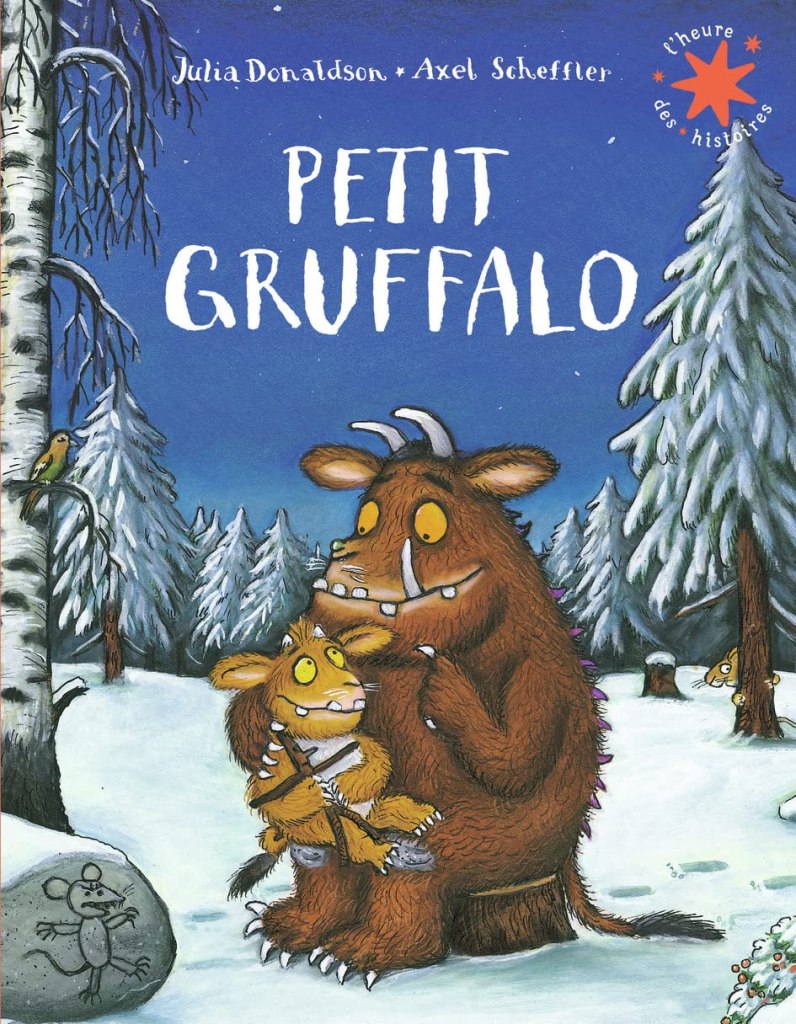
We’ve all enjoyed sharing a rhyming picture book at various stages of our lives, from Julia Donaldson’s iconic The Gruffalo with beautiful scansion to Catherine Emmett’s waltzing King of The Swamp. These well crafted books flow seamlessly but not every publisher wants rhyming picture books. Yes, it’s true. There are many pros to writing picture books in prose. Here’s why.
Freedom
Picture book texts in prose allows writers freedom. Authors don’t have to pace the room clapping out perfect beats and repeating words to see which syllables are stressed beats, like a delirious teacher fruitlessly teaching a room full of cats! Without rhyme there is no toe tapping marching or waltzing patterns. You’re options are limitless. You can write anything and play with page turns, alliteration, onomatopoeia and more. You can even have pages with only a few words on it. You don’t need to complete a couplet or stanza. And it doesn’t matter if nothing rhymes with orange!
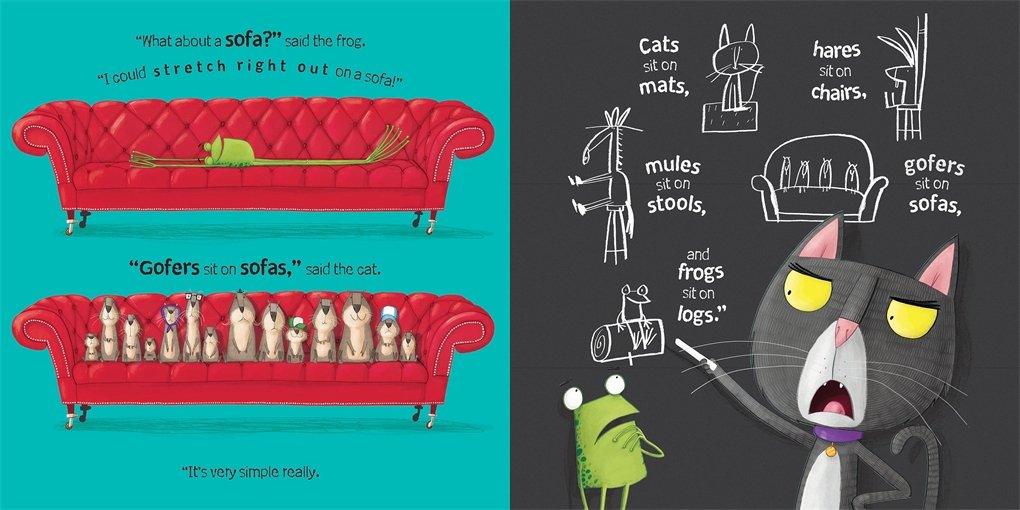
Rhyming books sometimes let the need to rhyme lead the story above all else, so a dog becomes friends with a frog and they get stuck in a bog, just because it lines up neatly, which isn’t always in the best interest of the plot. Prose can help to create something unique, funny and unexpected without the shackles of scansion or meter, like the brilliant Oi Frog by Kes Gray and Jim Field.
Translations
Publishers will try to sell foreign rights for your books. It is much easier to translate stories if they are in prose. Many rhyming books don’t rhyme in translation. If some French, German or Polish linguistic genius pulls it off, well hooray! But it’s less likely and languages like German use more words than English to say the same thing, so it’s tricky and expensive to fit all your stanzas onto the sparse pages available.

But even if you sell your book to English speaking countries, like the USA, your rhymes won’t necessarily work. If you write a potting training story about being happy without without your nappy, it won’t mean anything to Americans, (good luck rhyming diaper with happiness). Each territory will have it’s own language quirks from Australia to Canada and everywhere in between.
Pronunciation Idiosyncrasies to Mismatched Clunks
Even in the UK there are so many speech variations that can scupper your best laid rhyming plans. In Scotland house can be said hoose to rhyme with juice and in South Wales here doesn’t rhyme with near, it’s heur and nee-ah. Rhyming is a tricky old business, that’s for sure and although you can’t please all the regions all the time, nothing makes an agent reject a picture book from the Slushpile faster than clunky and mismatched rhymes. A writer can be forgiven for not knowing how pronunciation varies from Cornwall to Cumbria, but a forced imperfect rhyme, mixed with wonky scansion and meter is a crime against the poor people struggling to read your book aloud. (Often tired adults more desperate to sleep after a long day than the excited child listener). With prose, these worries disappear!
Lyrical Loveliness
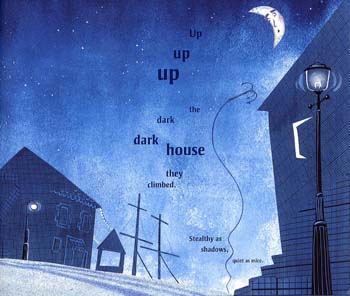
But prose doesn’t have to be plain. No, there are beautiful lyrical picture books in prose. Take The Night Pirates by Peter Harris and Deborah Allwright, “Up, up up the dark dark house they climbed. Stealthy as shadows, quiet as mice.” It’s so atmospheric the listener holds their breath, eager to hear more. This gorgeous repeated phrase has made this classic so captivating to read aloud night after night for so many children.

Sparsity Leaves Room For Emotion
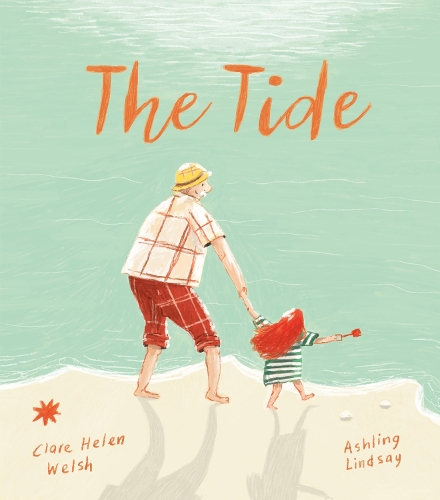
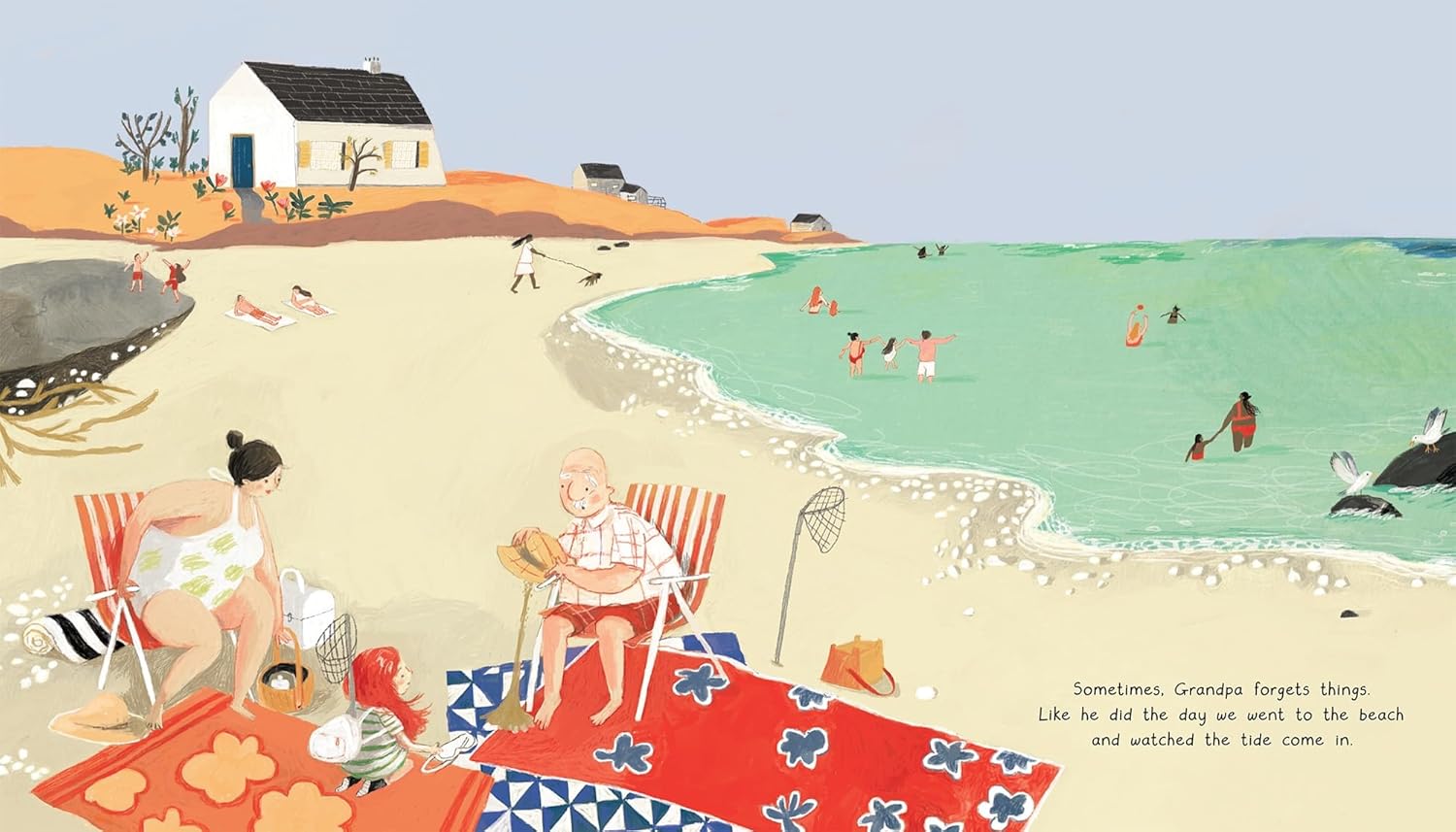
The joy of prose is the way it can be dialed up or down to really bring out all the emotions. You want your reader to feel the highs and lows, all the love and loss, which is expertly achieved in The Tide by Clare Helen Walsh and Ashling Lindsay. You can feel the words ebbing away and rushing back like Granddad’s memory.
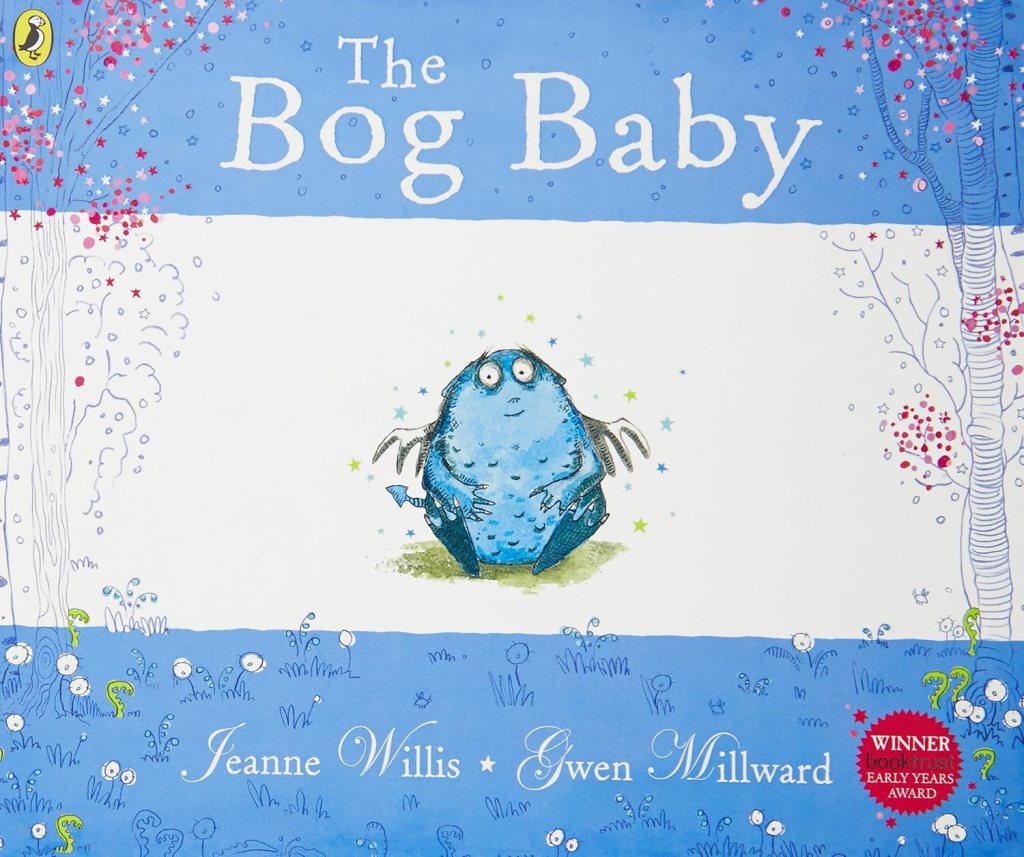
The Bog Baby by Jeanne Willis and Gwen Millward, also dials up the emotion, creating the sense of anticipation as the narration looks back at a time where they did something mischievous, in this case sneaking off to the pond all by themselves, “Which wasn’t allowed… I won’t tell if you won’t”. This is so relatable for children and entices them in to share this naughty secret. The immediacy of the first person narrative is so compelling. It’s like the author is talking directly to the reader, sharing the jubilation at catching a wondrous creature and squirreling it away from Mum in a margarine tub, to realizing the harm they’ve caused. It’s really special.

Let’s Children Join In
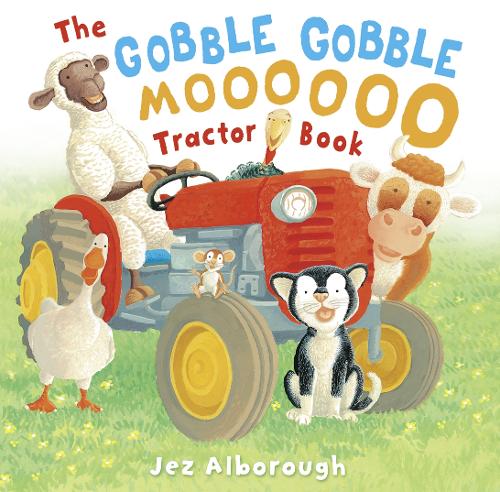
Rhyme tends to build in a sing-song style to a crescendo, which is beautiful to read, but sometimes it doesn’t leave many gaps for children to ask questions or to add their thoughts about the character’s emotions, reactions or something they’ve spotted in the illustrations. Prose can have repeated phrases that children will remember, repeat and join in with, like The Gobble Gobble Moo Tractor Book by Jez Alborough where there are many animal noises to make together. Or the catchphrase, “Oh my Crikeys!” from We are the Wibbly by Sarah Tagholm and Jane McGuinness. This makes reading a shared bonding experience. And let’s not forget how children hold their breath, waiting for the one word in Barry The Fish With Fingers by Sue Hendra – TICKLING! This is why children and their families love reading picture books together over and over again.


Flamboyant Language
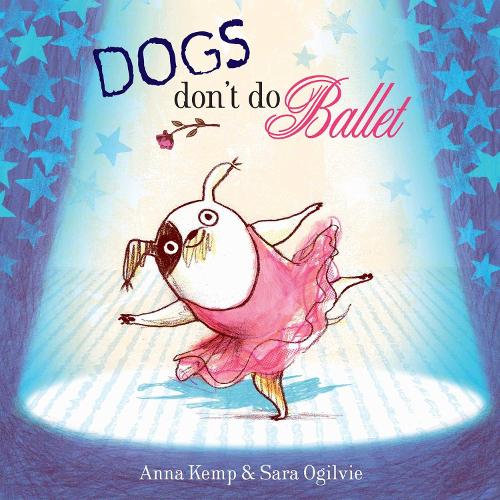
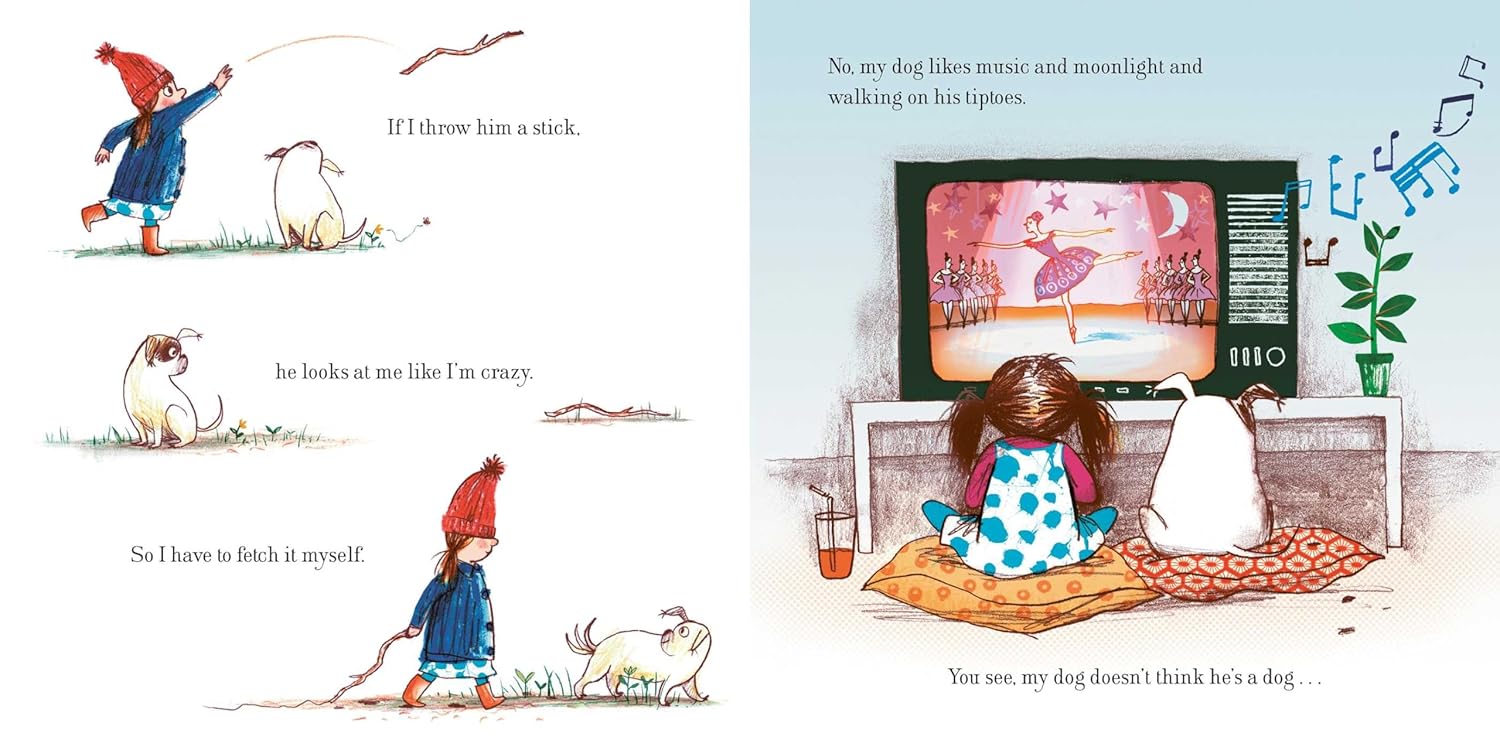
Or course there is the opportunity to indulge in opulent and delicious language too. In Dog’s Don’t Do Ballet by Anna Kemp and Sara Ogilvie, there’s a wonderful contrast as the narrator explains how her dog won’t fetch sticks, he looks at her like she’s crazy, because he has more glamours dreams and aspirations, perfectly summed up with, “No, my dog likes music and moonlight and walking on his tiptoes.”
Practical and Gorgeous
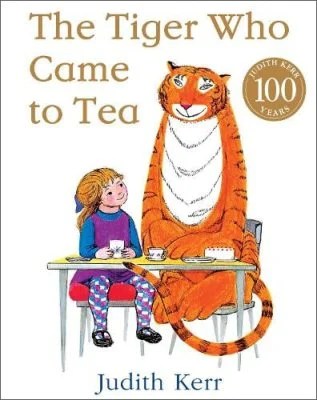
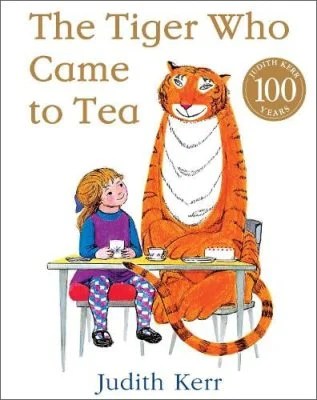
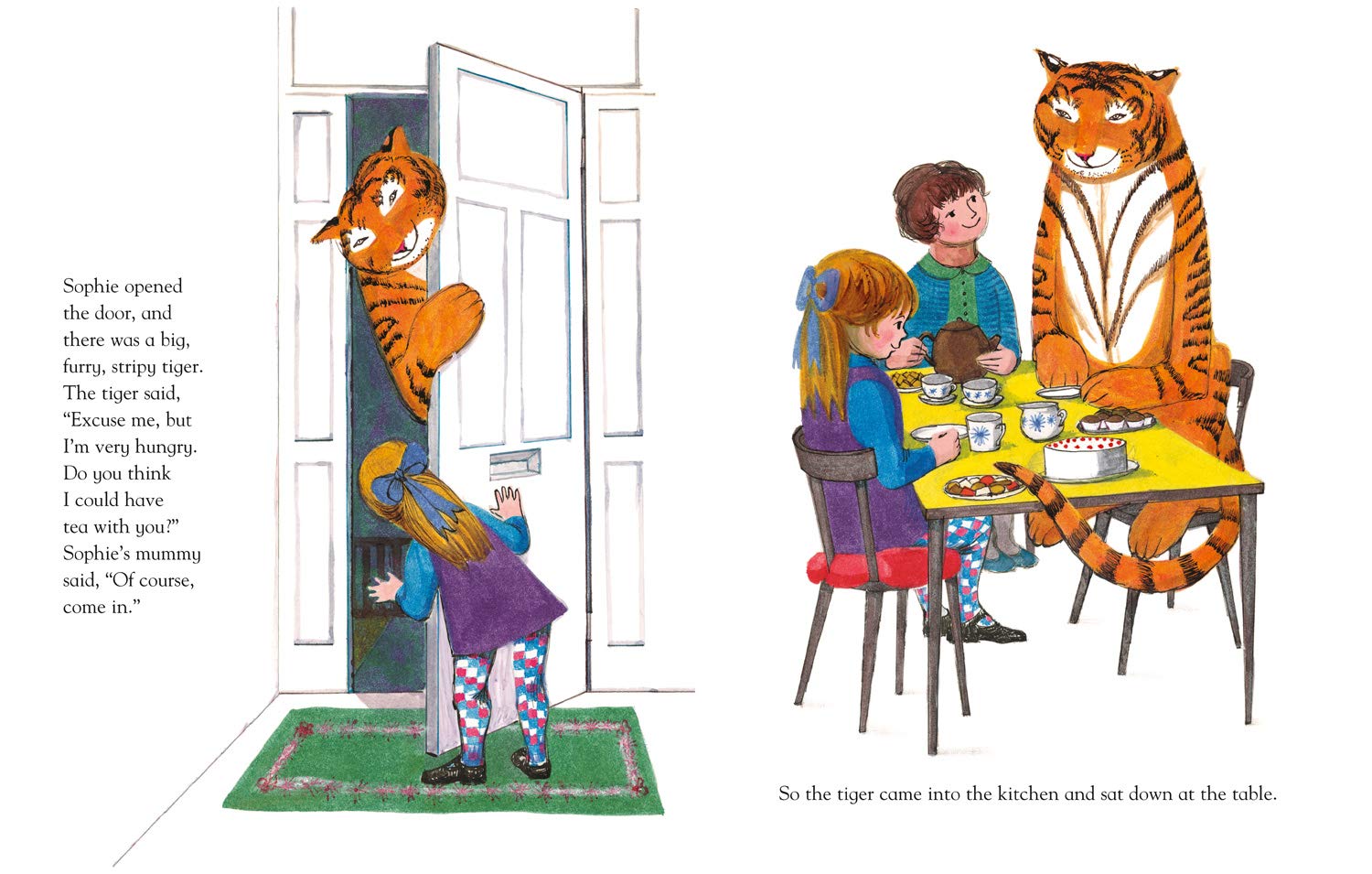
So picture books in prose combine publishing practicality with creative freedom. You can play with page turns, sounds and narratives without having to worry so much about how they translate and if your words march or waltz. The music plays to your own tune, a spell of your design to transport your readers of all ages into a richly imagined story. Stories that stay with you forever, after all, who can forget in The Tiger Came To Tea by Judith Kerr, how the tiger drank all Daddy’s beer and all the water in the tap? Yes the biggest picture book classic of them all is in prose and it’s been adored for generations!
 Kate Walker Children's Author