Spin First Draft Fears Into Steps Towards Success

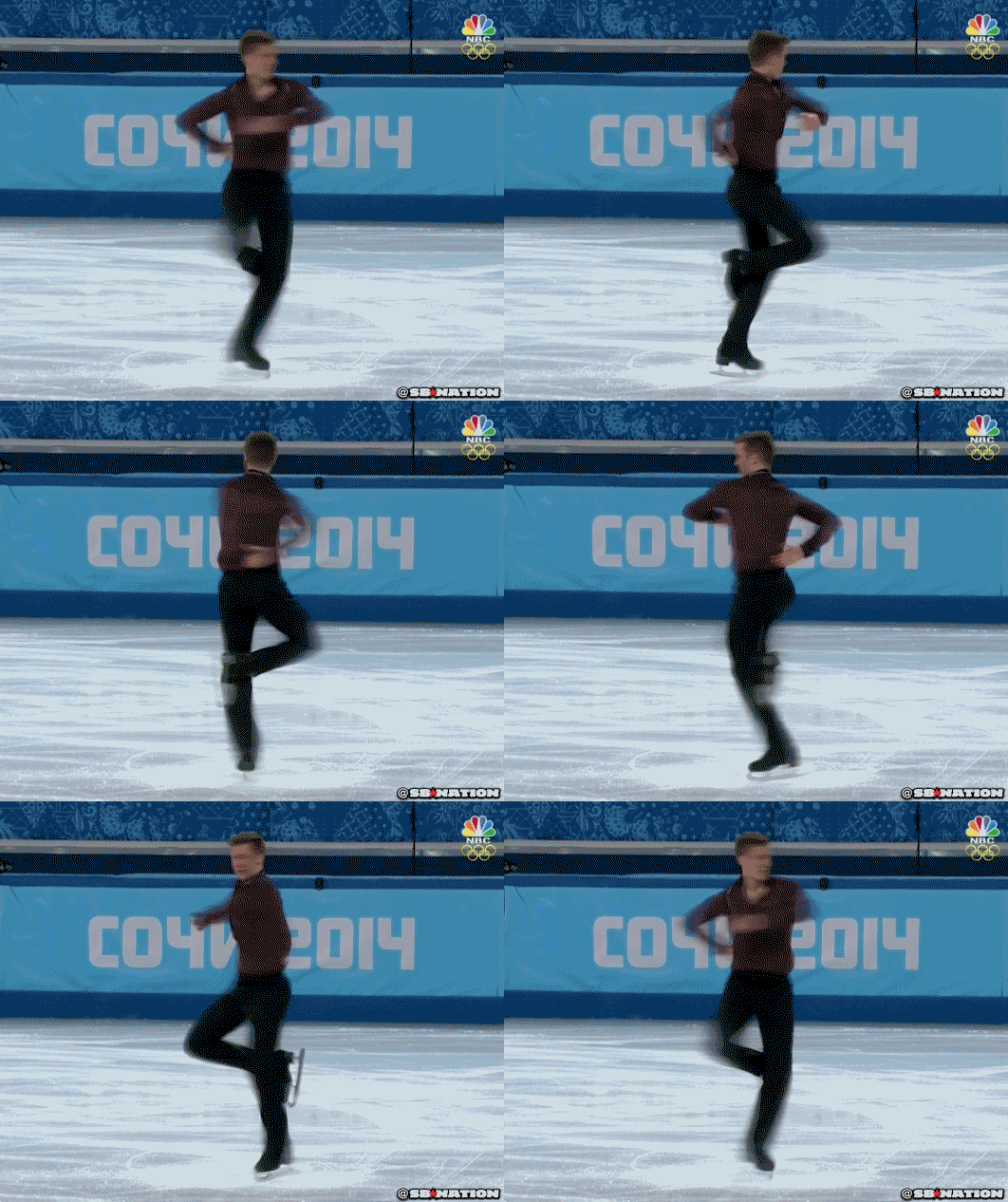
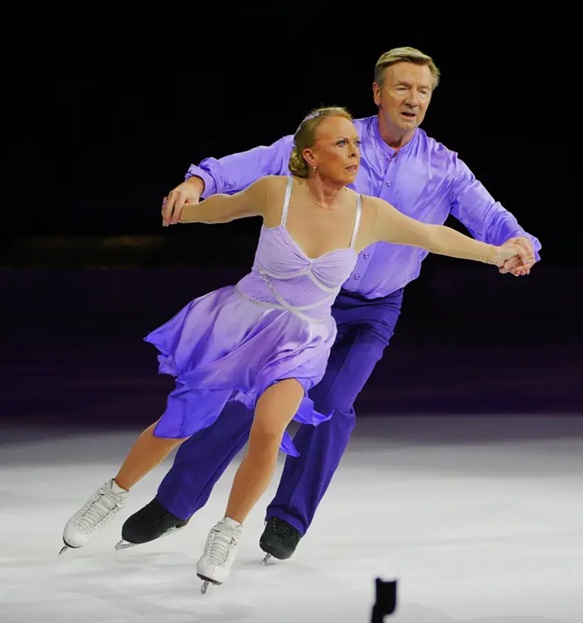
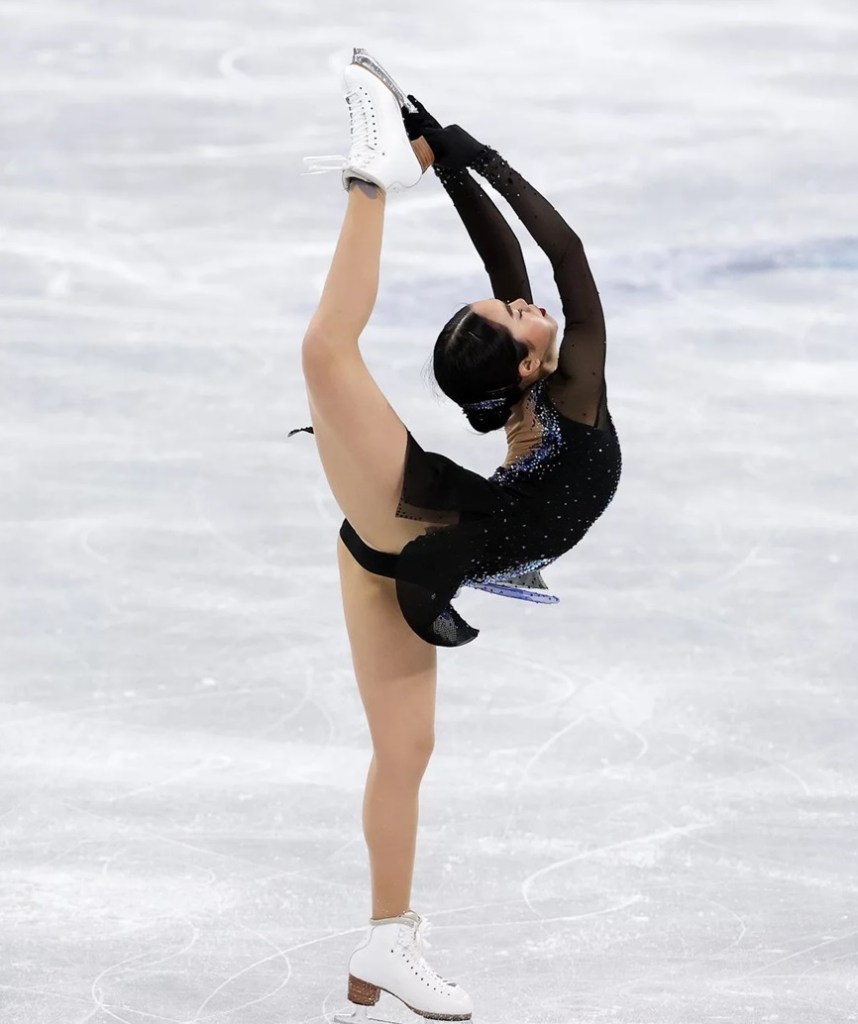
When most people go ice skating they tend to cling to the edge huddled in their coats. They expect a few slips and maybe even a fall as they tentatively push their feet slowly forwards, keeping the barrier within gripping distance. Almost no-one expects to step onto the ice and skate to the centre of the rink, let alone perfecting a spectacular six spin pirouette. You’d expect that to take years of practice and coaching.
Be Kind To Yourself

So why are you so hard on your self with writing? Why do so many writers feel like failures when they don’t pop out a best seller first go? They look at rewrites as a big black cross against their work, when really that rewrite is just a stepping stone to producing a better story. And there will be further rewrites, because who gets things right first go? Books are written in layers with new threads, ideas and character arcs woven in or snipped out as you go.

Heck, even Steven King binned his early draft of Carrie and only worked on it after his wife convinced him it was something worth developing further.
First Draft Experiments

In your first draft you are often telling yourself the story, mapping out what and who goes where. You might not know why at this point. The first draft is often just a means of getting it all out of your mind and onto the page. This is sometimes inelegantly called The Vomit Draft.

Expect this draft to be ugly. It will be raw, the pacing will be off and the emotional connection could go either way, too full on, or as cold and soulless as the supermarket freezer aisle. But that’s ok. You’re going to rewrite it. All those inconsistencies will be fixed and smoothed out. The motivation and plot driver will be sharpened. Your characters will be bold and compelling, eventually. On this draft or the next. For there will be others. That’s just the life of a writer, even for pros like Stephen King.

Time To Train

Books need time to percolate in your mind. They need space to experiment, to play with ideas and plot points. You can try things out. Nobody gets to see them until you share them. But let’s go back to that six-spin pirouette on the ice, you have to share your ice skating moves with a coach or partner so they can check your form, to help you perfect your technique and nip any bad habits in the bud.

Crit partners or paid critiques work in a similar way. They ask questions you may not have thought of or considered. It’s not a personal attack, it’s a helping hand that can guide you to mend your plot or to see your book from another perspective that can unlock key character traits or make you ramp up the conflict to the perfect pitch. It will encourage you to take your coat off, don a sequinned leotard and dare to leave the edge as you learn and grow and make that spin more possible than you hoped. It might feel scary at first but once you start skating confidently through the empty rink middle where few dare to glide, you will start to know you can do it.
Try New Moves

But whether you are skating for fun or training to qualify for the Olympic team, practising the same routine over and over only helps to a point. At some stage you’ll want to try out new moves and a whole new routine. That will stretch your muscles in ways you hadn’t realised was possible, adding in new tricks and turns as you go. So, write another book. Not the sequel, save that for when you have a book deal. Write something completely different. Something that excites you. Something ambitious. Maybe even something in a new genre or age range with a different tempo to master.

You will need to learn a new set of rules and skills. When you finish that book, take a break. Get back to your old one and see how your view of it has changed. What still works? What doesn’t? What would you change, expand or cut completely? You will find the routine you once skated feels different now, because you’ve grown and developed in ways you couldn’t have imagined.
Glide

Now find your balance, leave that safety barrier behind you, and glide out towards the middle. The next stepping stone of progress is to begin this rewrite. Progress is in your sights and now you don’t have to shuffle forward with trepidation. If you fall you have the skills to get back up and spin with a smile. The edge is far behind you, and the ice is gleaming bright as a fresh new page, just waiting for you to craft your story.   
The Pros of Prose

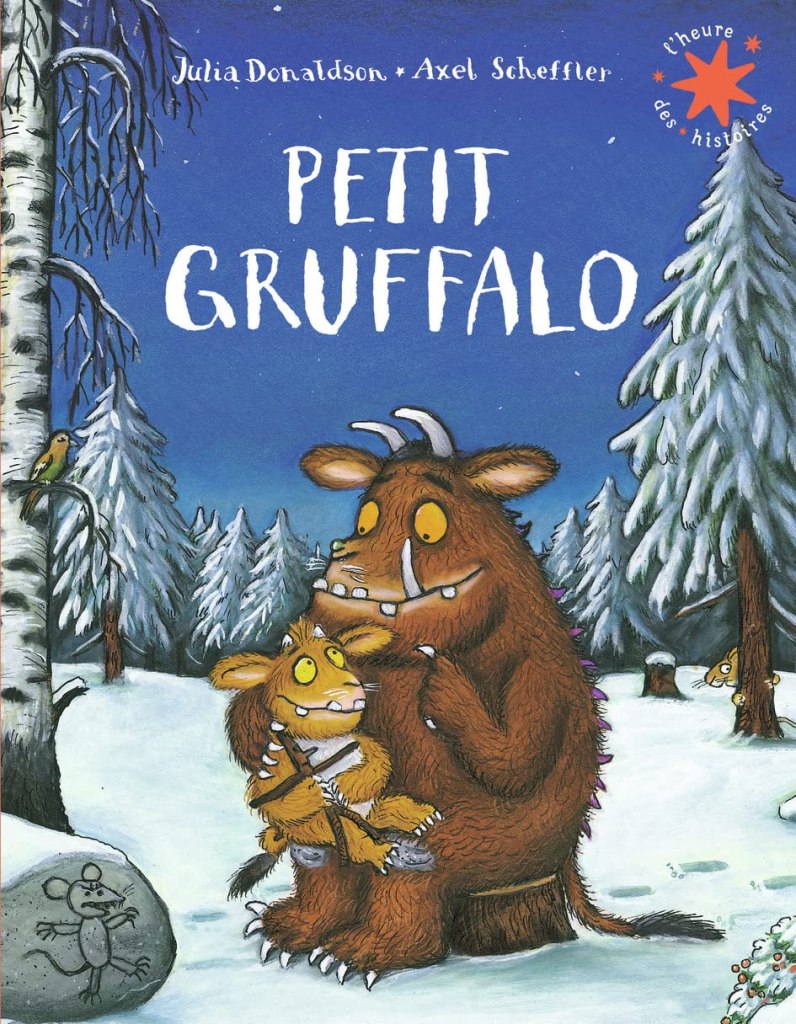
We’ve all enjoyed sharing a rhyming picture book at various stages of our lives, from Julia Donaldson’s iconic The Gruffalo with beautiful scansion to Catherine Emmett’s waltzing King of The Swamp. These well crafted books flow seamlessly but not every publisher wants rhyming picture books. Yes, it’s true. There are many pros to writing picture books in prose. Here’s why.

Freedom

Picture book texts in prose allows writers freedom. Authors don’t have to pace the room clapping out perfect beats and repeating words to see which syllables are stressed beats, like a delirious teacher fruitlessly teaching a room full of cats! Without rhyme there is no toe tapping marching or waltzing patterns. You’re options are limitless. You can write anything and play with page turns, alliteration, onomatopoeia and more. You can even have pages with only a few words on it. You don’t need to complete a couplet or stanza. And it doesn’t matter if nothing rhymes with orange!

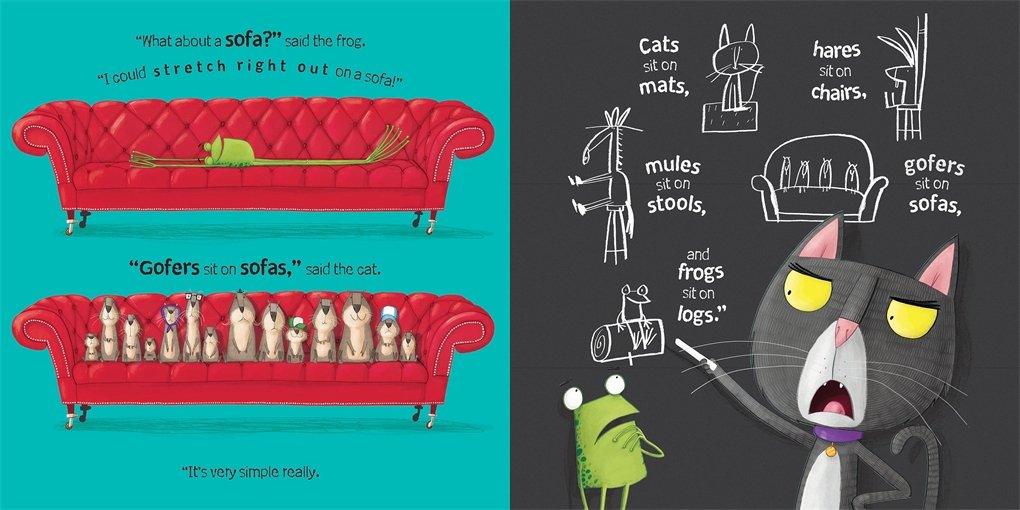
Rhyming books sometimes let the need to rhyme lead the story above all else, so a dog becomes friends with a frog and they get stuck in a bog, just because it lines up neatly, which isn’t always in the best interest of the plot. Prose can help to create something unique, funny and unexpected without the shackles of scansion or meter, like the brilliant Oi Frog by Kes Gray and Jim Field.

Translations

Publishers will try to sell foreign rights for your books. It is much easier to translate stories if they are in prose. Many rhyming books don’t rhyme in translation. If some French, German or Polish linguistic genius pulls it off, well hooray! But it’s less likely and languages like German use more words than English to say the same thing, so it’s tricky and expensive to fit all your stanzas onto the sparse pages available.

But even if you sell your book to English speaking countries, like the USA, your rhymes won’t necessarily work. If you write a potting training story about being happy without without your nappy, it won’t mean anything to Americans, (good luck rhyming diaper with happiness). Each territory will have it’s own language quirks from Australia to Canada and everywhere in between.

Pronunciation Idiosyncrasies to Mismatched Clunks

Even in the UK there are so many speech variations that can scupper your best laid rhyming plans. In Scotland house can be said hoose to rhyme with juice and in South Wales here doesn’t rhyme with near, it’s heur and nee-ah. Rhyming is a tricky old business, that’s for sure and although you can’t please all the regions all the time, nothing makes an agent reject a picture book from the Slushpile faster than clunky and mismatched rhymes. A writer can be forgiven for not knowing how pronunciation varies from Cornwall to Cumbria, but a forced imperfect rhyme, mixed with wonky scansion and meter is a crime against the poor people struggling to read your book aloud. (Often tired adults more desperate to sleep after a long day than the excited child listener). With prose, these worries disappear!

Lyrical Loveliness

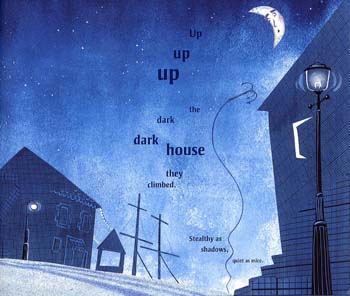
But prose doesn’t have to be plain. No, there are beautiful lyrical picture books in prose. Take The Night Pirates by Peter Harris and Deborah Allwright, “Up, up up the dark dark house they climbed. Stealthy as shadows, quiet as mice.” It’s so atmospheric the listener holds their breath, eager to hear more. This gorgeous repeated phrase has made this classic so captivating to read aloud night after night for so many children.

Sparsity Leaves Room For Emotion

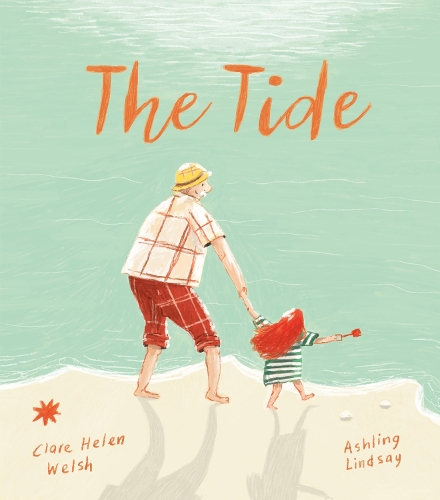
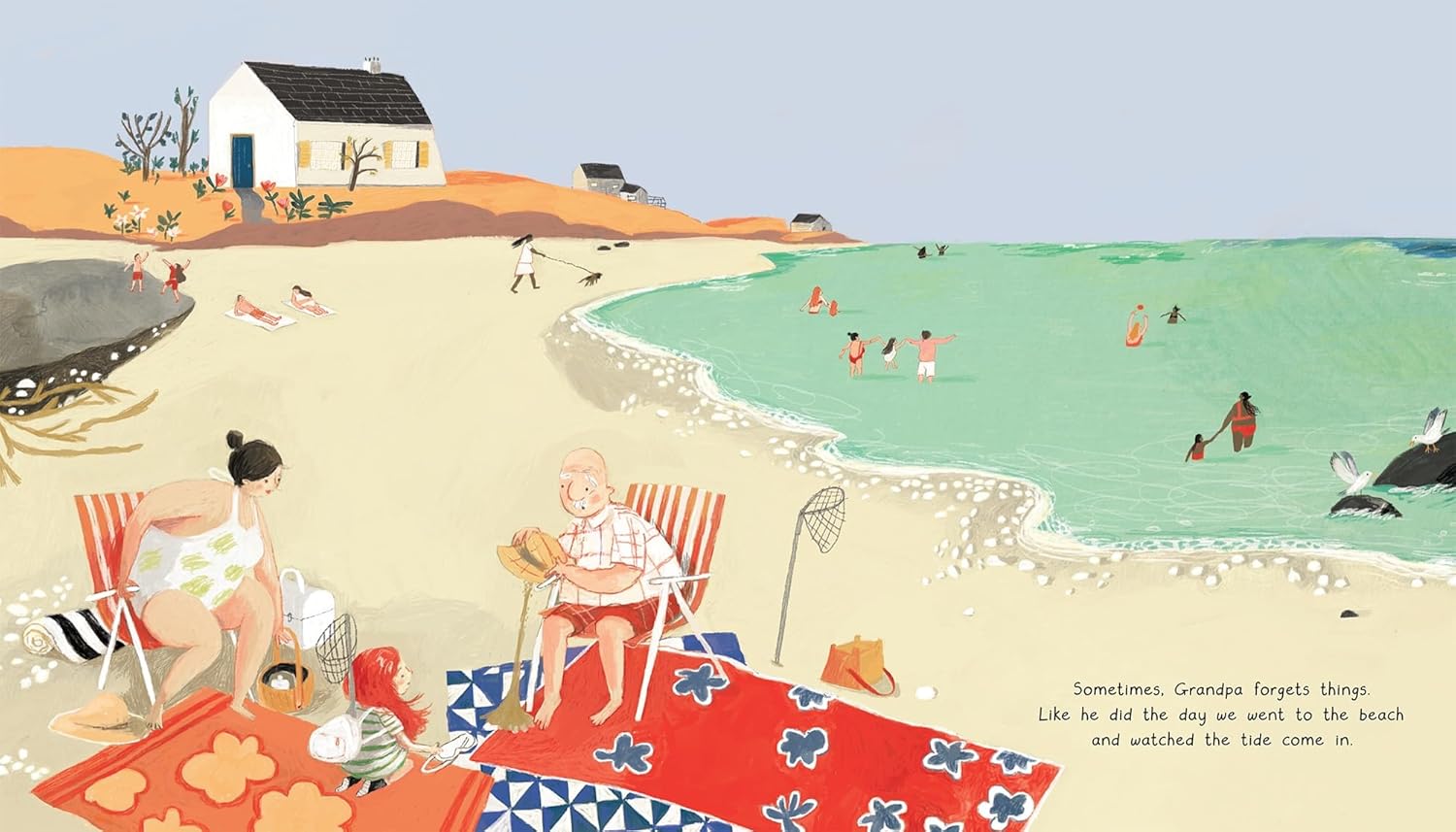
The joy of prose is the way it can be dialed up or down to really bring out all the emotions. You want your reader to feel the highs and lows, all the love and loss, which is expertly achieved in The Tide by Clare Helen Walsh and Ashling Lindsay. You can feel the words ebbing away and rushing back like Granddad’s memory.

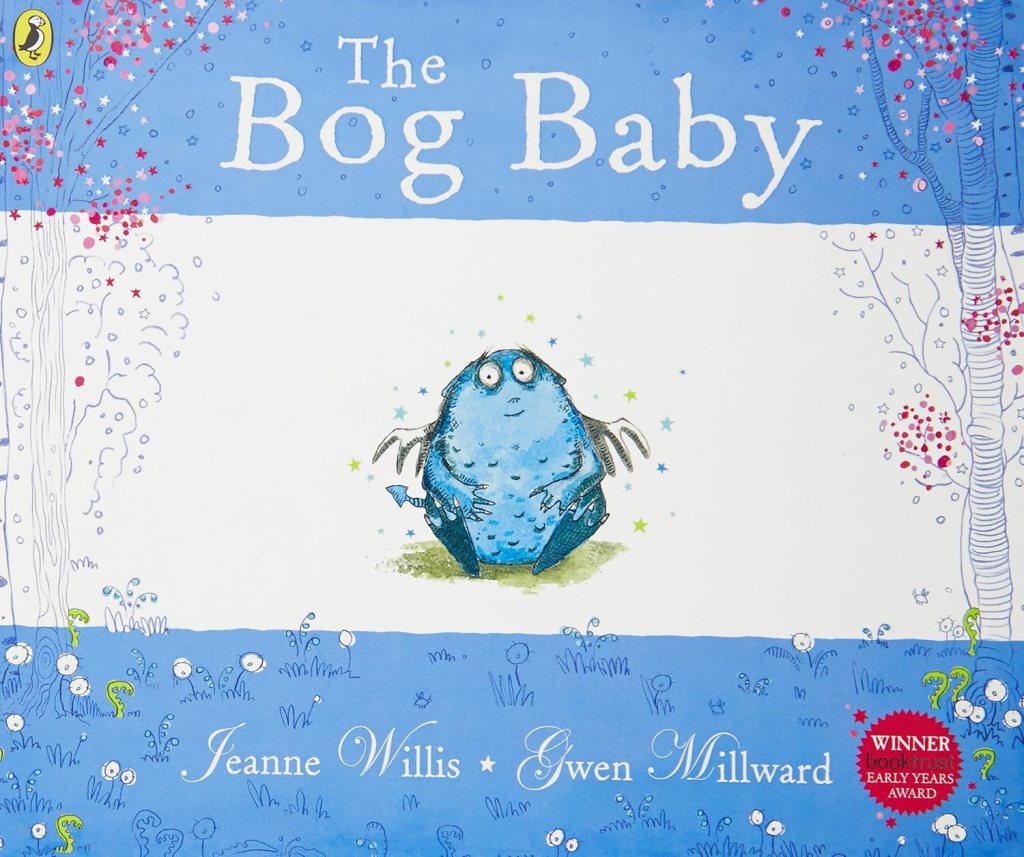
The Bog Baby by Jeanne Willis and Gwen Millward, also dials up the emotion, creating the sense of anticipation as the narration looks back at a time where they did something mischievous, in this case sneaking off to the pond all by themselves, “Which wasn’t allowed… I won’t tell if you won’t”. This is so relatable for children and entices them in to share this naughty secret. The immediacy of the first person narrative is so compelling. It’s like the author is talking directly to the reader, sharing the jubilation at catching a wondrous creature and squirreling it away from Mum in a margarine tub, to realizing the harm they’ve caused. It’s really special.

Let’s Children Join In

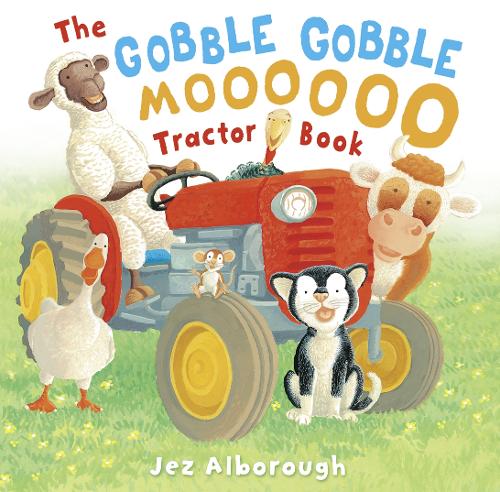
Rhyme tends to build in a sing-song style to a crescendo, which is beautiful to read, but sometimes it doesn’t leave many gaps for children to ask questions or to add their thoughts about the character’s emotions, reactions or something they’ve spotted in the illustrations. Prose can have repeated phrases that children will remember, repeat and join in with, like The Gobble Gobble Moo Tractor Book by Jez Alborough where there are many animal noises to make together. Or the catchphrase, “Oh my Crikeys!” from We are the Wibbly by Sarah Tagholm and Jane McGuinness. This makes reading a shared bonding experience. And let’s not forget how children hold their breath, waiting for the one word in Barry The Fish With Fingers by Sue Hendra – TICKLING! This is why children and their families love reading picture books together over and over again.

Flamboyant Language

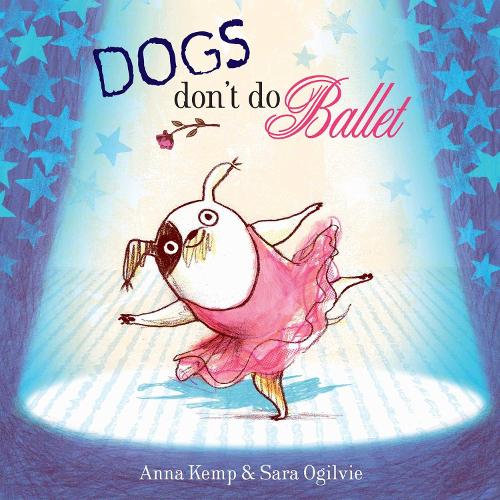
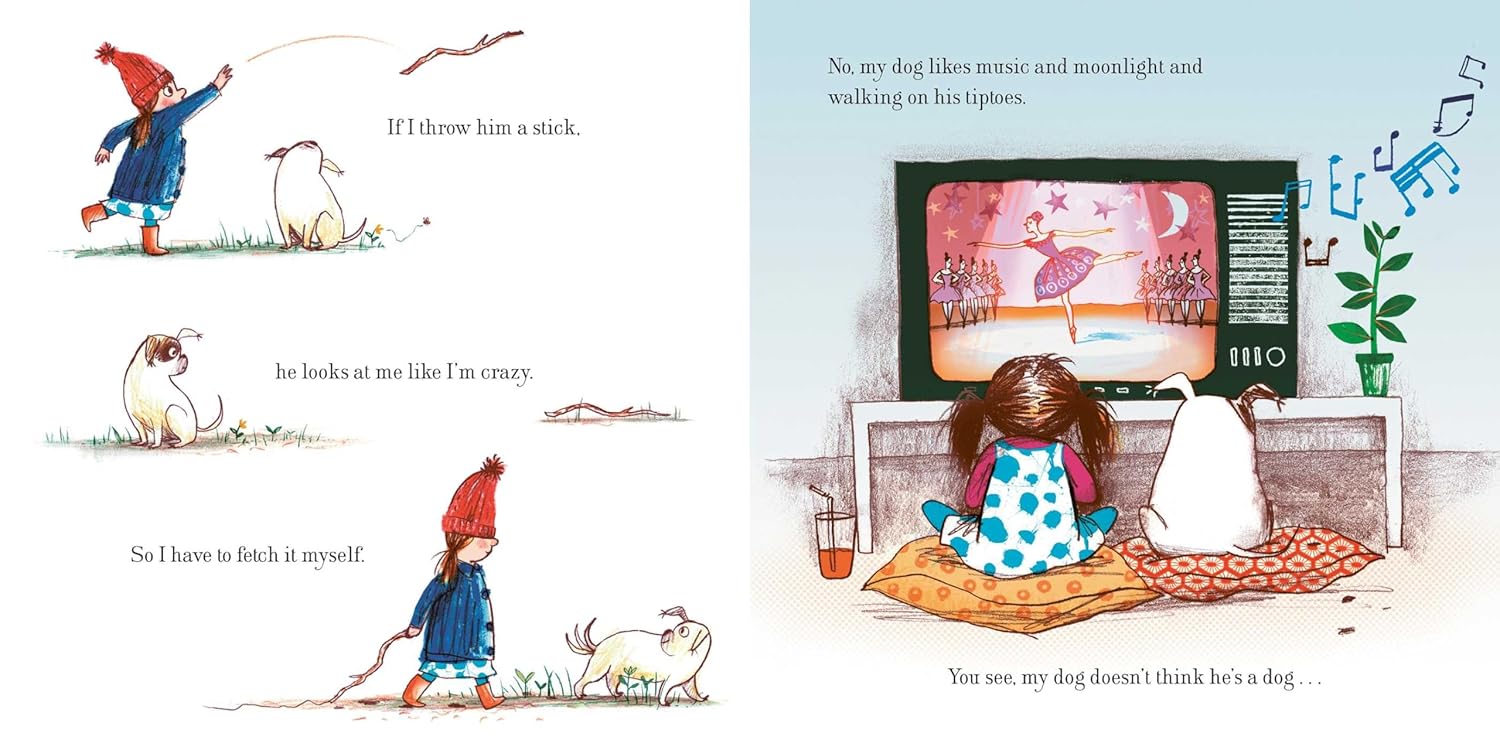
Or course there is the opportunity to indulge in opulent and delicious language too. In Dog’s Don’t Do Ballet by Anna Kemp and Sara Ogilvie, there’s a wonderful contrast as the narrator explains how her dog won’t fetch sticks, he looks at her like she’s crazy, because he has more glamours dreams and aspirations, perfectly summed up with, “No, my dog likes music and moonlight and walking on his tiptoes.”

Practical and Gorgeous

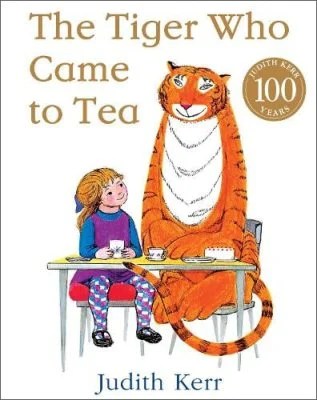
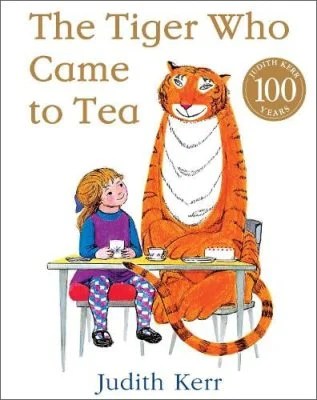
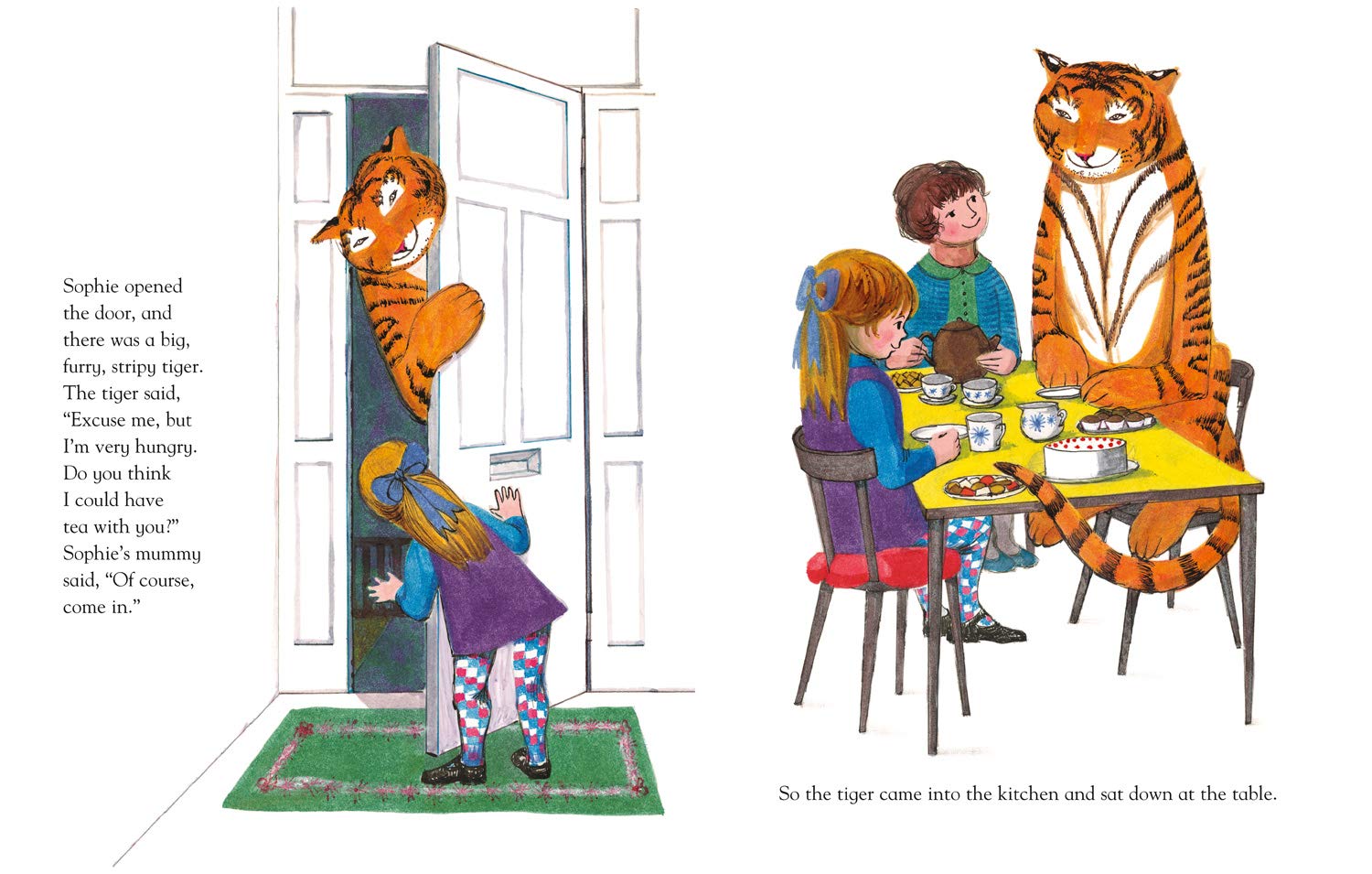
So picture books in prose combine publishing practicality with creative freedom. You can play with page turns, sounds and narratives without having to worry so much about how they translate and if your words march or waltz. The music plays to your own tune, a spell of your design to transport your readers of all ages into a richly imagined story. Stories that stay with you forever, after all, who can forget in The Tiger Came To Tea by Judith Kerr, how the tiger drank all Daddy’s beer and all the water in the tap? Yes the biggest picture book classic of them all is in prose and it’s been adored for generations!
Captivating Chapter Books!

Many picture book writers venture into the chapter book genre. It is a natural progression. The word counts allow freedom from the tight 500 boundary of picture books with scope for more developed plots and character arcs. You can even plot your chapter book beats and rising action in a 12 spread grid, just replacing the double pages as whole chapters. They also feel less daunting than a thirty to sixty thousand word middle grade novel. So why aren’t more writers getting signed with agents in this burgeoning genre?

Competition is FIERCE!

Just like picture books, there are a lot of writers trying to get noticed in this space. Whilst there have been a few new competitions popping up to offer opportunities to new authors, these books are still hard to convert into agent contracts.

This genre relies on simple language for newly developing young readers. Picture books are read to children, but chapter books need to have the accessibility there as they could be read by aloud by adults, but more often these are read by children themselves. They need to be pacey, hooky and fun. That can be tricky to do. The standard as with all children’s books, is really high.

You want to grab your agent, publisher and reader with a interesting or quirky concept and make them want read more and more stories with your characters. This is not a stand alone story space.

Stand Out On The Shelf

With word counts of between and five and fifteen thousand, these books suffer from skinny spines. This makes it harder for them to stand out on the bookshop shelf. Many stories in this five to eight age range are sold by book packagers who contract out fully mapped concepts and plots to ghost writers so they can release several books in a series simultaneously. This happens for titles such as The Rainbow Magic and Beast Quest series.

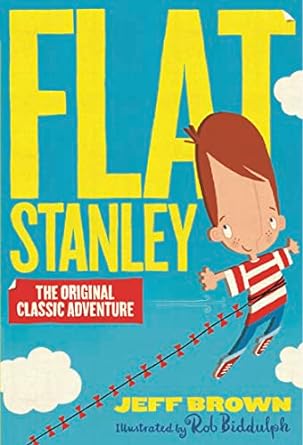
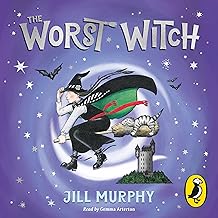
These books dominate the genre along with classics that parents and grandparents enjoyed and want to share with the new generations in their lives. Think Paddington, Flat Stanley and The Worst Witch.

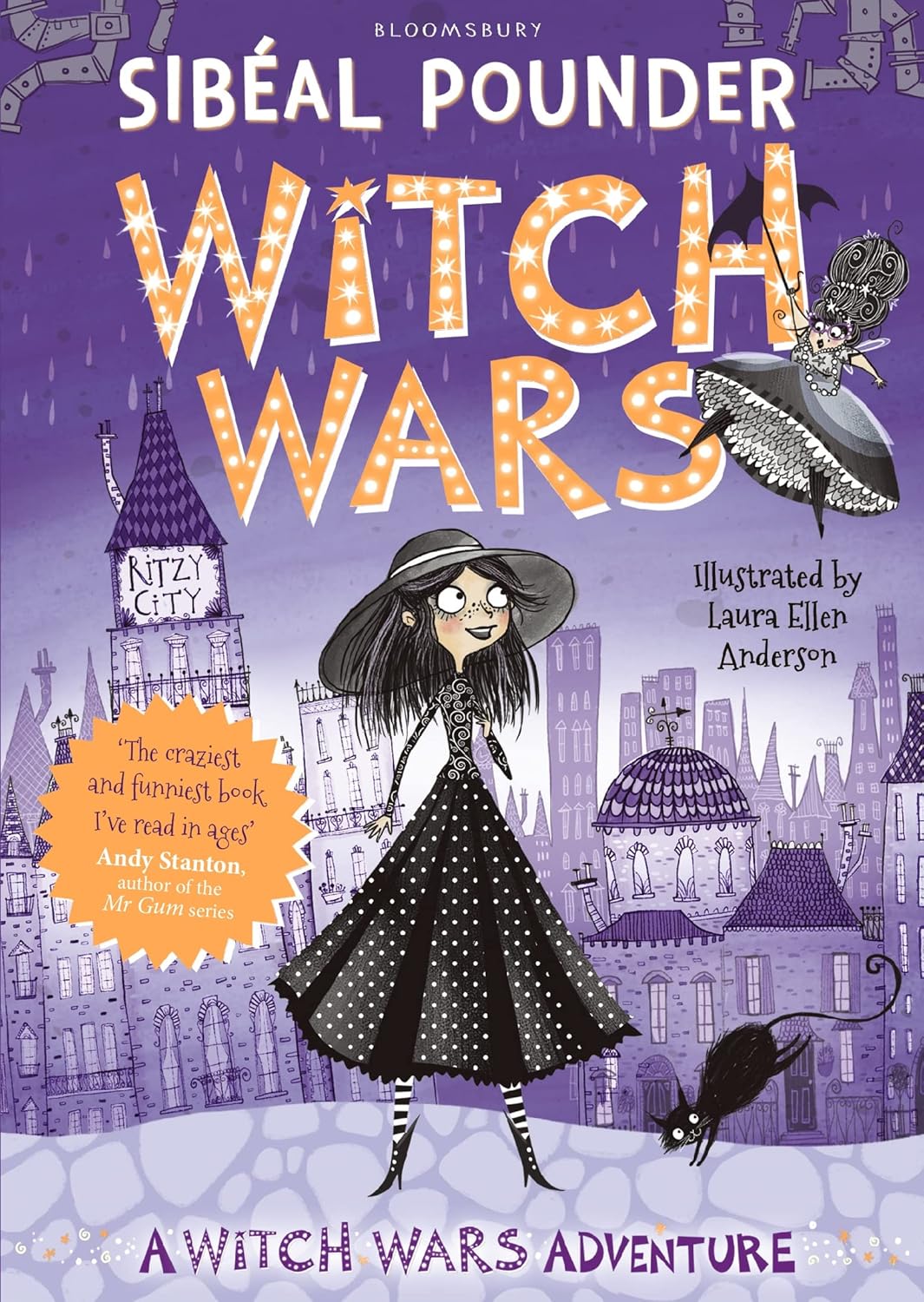
As you can see the shelves are already very full, so you need a concept large enough to grow through a minimum of three to four books, ideally more if your stories sell. Your hook needs to create easily recognisable characters with stand alone stories that can be read and collected as a set. This age group love to collect things from sticker packs to figures from TV and film franchises. Make them want to read everything about your characters too. Think The Kitty series by Paula Harrison, or The Boy Who Grew Dragons by Andy Shepherd. Or take a new spin on an old trope like Sibeal Pounder and her zany world of Witch Wars!

Illustrations Help Encourage Readers

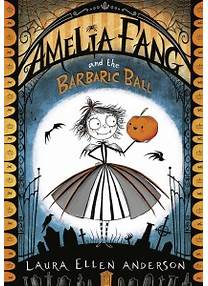
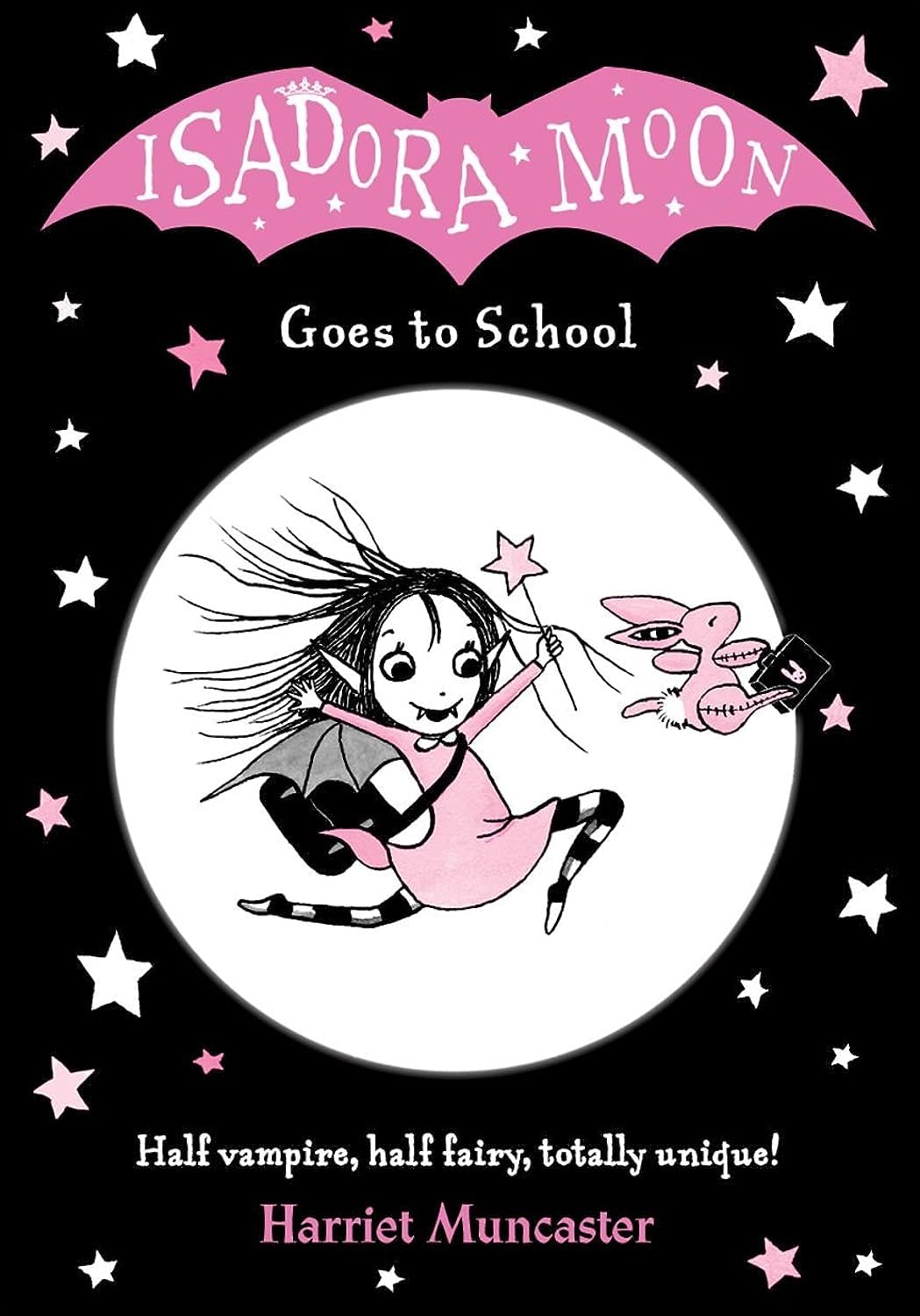
Making memorable characters can be hugely helped by the illustrations. Illustrations are also an important aid to help young readers decipher and enjoy independent reading. Graduating from the full colour magnificence of picture books, chapter books tend to have quirky black and white line drawings, sometimes with a spot of another colour, which often helps with the overall branding. Others embrace the full colour comic style. This is why this age range is also dominated by author-illustrators, such as Harriet Muncaster (Isadora Moon,) Dav Pilkey (Captain Underpants, Dogman) and Laura Ellen Anderson (Amelia Fang, Rainbow Grey, Marnie Midnight).

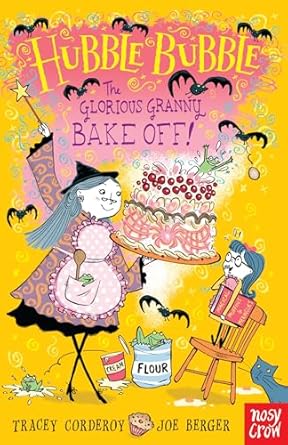
There are also characters that have jumped from picture books into more developed stories, like The Jolley-Rodgers (from The Pirates Next Door by Jonny Duddle) Hubble Bubble Granny Trouble. You don’t have to be an illustrator, but it can help!

Embrace Your Wild Side

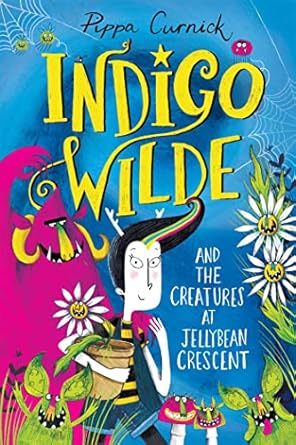
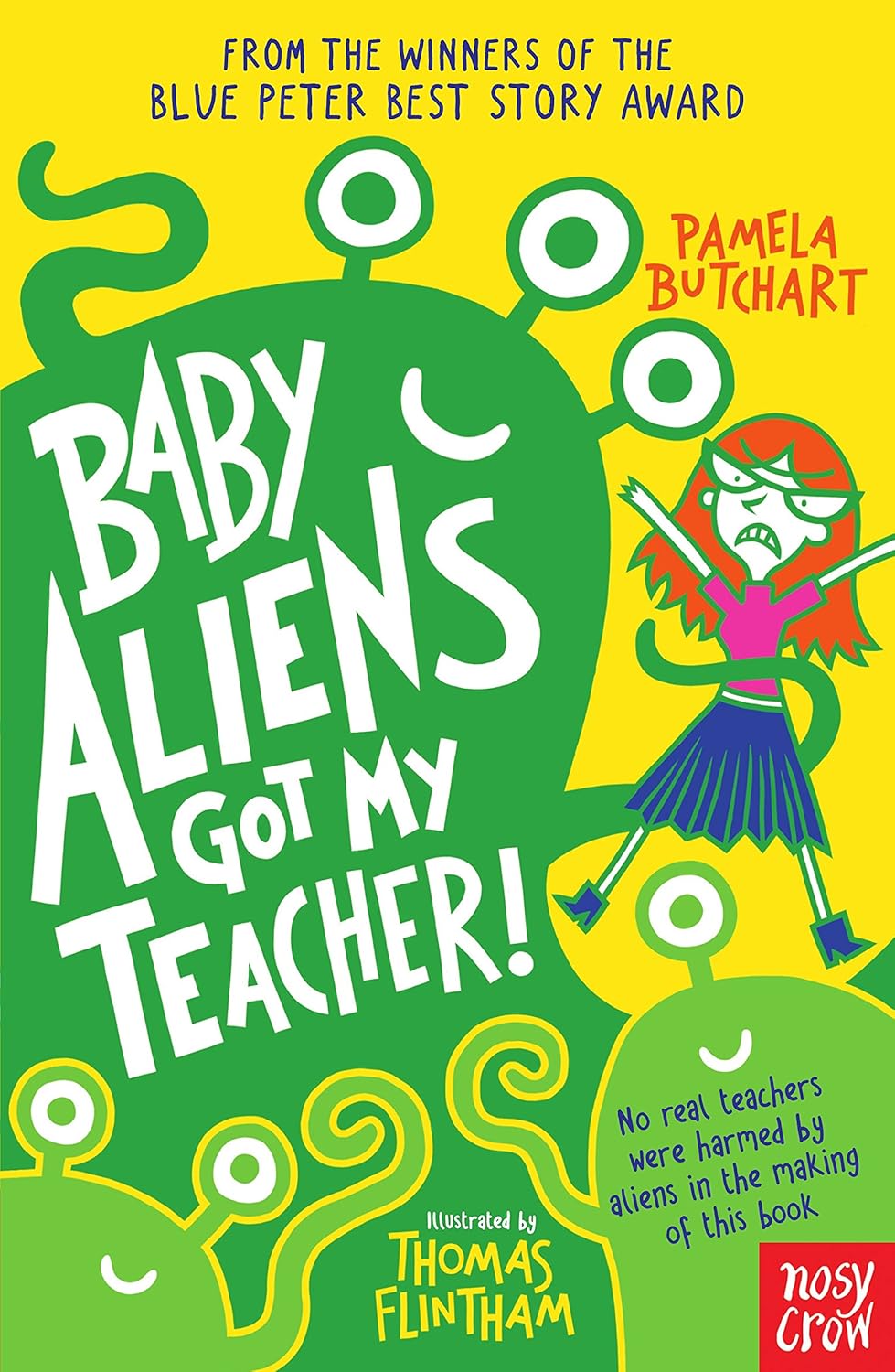
Whatever you decide to write as a chapter book, the current market tends to breakthrough wacky, hyperbolic stories. From Indigo Wilde by Pippa Curnick which is crammed with mad-cap creatures running amok, to the Izzy series of books by Pamela Butchart, (The Spy Who Loved School Dinners, My Headteacher Is A Vampire Rat, Baby Aliens Got My Teacher etc.) where Izzy and her friends imagine baby space aliens have taken over the school kitchens or the Headteacher is secretly sleeping in a coffin, alongside all manner of wild assertions happening at school.

Big, bold, brash stories and humour are standing out right now, so don’t hold back or be shy!

But don’t be put off by the difficulties in attracting agents and selling chapter books to publishers. There is always room for a stand out story and this age group want to believe anything is possible. So unleash your imagination and give this rewarding age range a try!

Need Help? Get in Touch

If you’re working on a chapter book and want some feedback or help, please get in touch here . I have worked with many authors over the years, find out more here.

Back to Basics

When I first started writing I was swept up the joy of creating. Imagining fantastical worlds and characters, wondering who they were and what they wanted. Inventing obstacles they would dread facing along the way! You know, the exciting bits that make your mind whirr with possibility. Ideas pinged into my brain in the middle of night and made me grin with anticipation and kept me awake wondering how to weave them into my plot for maximum impact.

I didn’t really consider the practical elements like how to set up a my Word document properly. The line spacing, the font, how to format a new chapter. I just dived in without acknowledging the rules of creating a middle grade novel or how to pace a picture book across twelve double page spreads. Those things I learned by accident along the way when other writers pointed out my haphazard typing between my wonky plot and clunky rhymes. I learned the hard way though trial and error and the kindness of other writers who guided me back to right path.

Make The Right Impression

I cringe when I think back to the dodgy submissions I sent out that screamed amateur without even realising. The chances blown as I showed agents that I wasn’t ready with basic errors that could have been avoided. But at the time I was oblivious. I waited, eagerly refreshing my inbox, feeling deflated by the inevitable rejections or worse, no response at all.

Agents are swamped with submissions. It’s natural to filter out manuscripts that don’t follow the expected standard. You only have one chance to make a good impression. Agents want to find good stories, so make yours stand out for the right reasons.

Writing is a constant learning curve, but without the basics in place you may find yourself revising and editing a lot or submitting too early with rookie errors that should be avoided. I can help you lay the foundations to get you on the right track, teaching you the basics expected by the industry.
Picture Books Formats

Picture books have a number of set rules that can only be broken if you know them already! Generally, your story has to fit twenty four pages otherwise known at twelve double page spreads. Ideally the story will unfold with conflict at key stages to keep pace and page turns flowing.

Illustration notes should be kept to a minimum and not interfere with the story text. Rhyme needs to follow the same beats in every stanza so your reader can learn the rhythm and read it easily. But don’t worry, it’s easier once you know how!
Chapter Book And Middle Grade Texts

There aren’t as many obvious rules with longer books, but there are still expected ways to set out chapter breaks, paragraphs, font etc.

Ultimately, the plot beats are similar to those of picture books, just with many more words and no illustrations to carry your page turns. You have to set up the images inside the reader’s mind instead and hook them through the transition from one chapter to keep them reading onto the next.

A Helping Hand

If you would like to learn the basics of setting out your texts I can help you for £15. Get in touch and I will lay out your picture book or opening two chapters. Available from 6th September 2023. If you would like a more in depth review of the story itself then take a look at the critique services I offer. There is a 10% discount when you refer a friend who signs up too! (Just let me know who recommended me on the contact form)

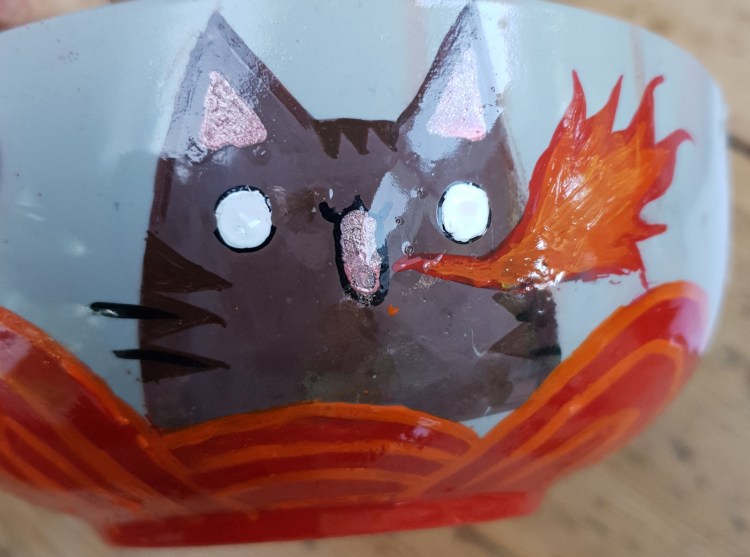
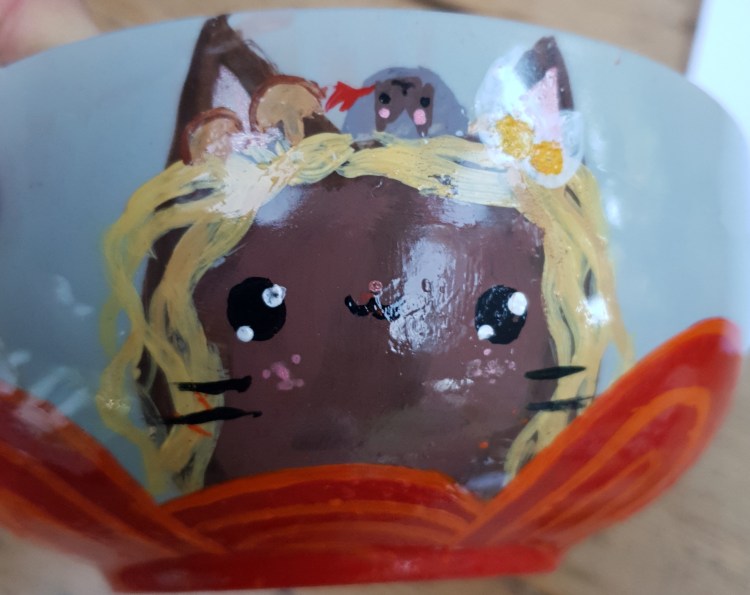
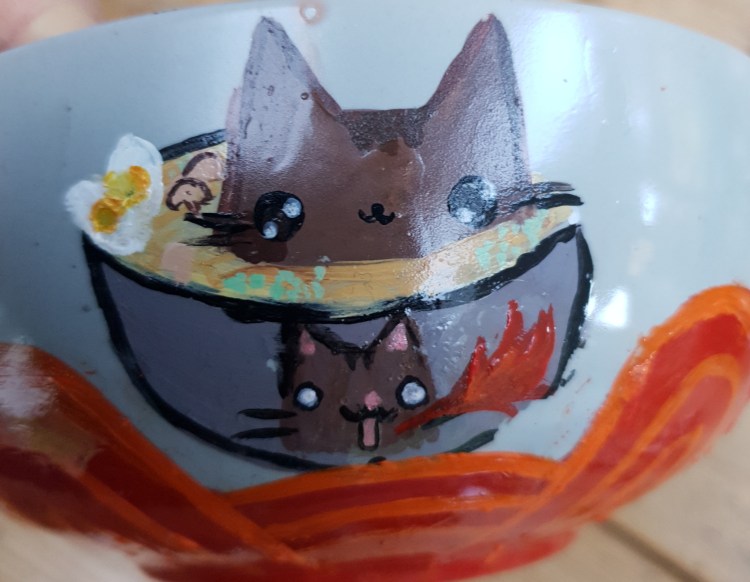
Thank you for reading, all the images on this site were created by my thirteen-year-old daughter. This project was painted onto a bowl as a gift for a family member, sorry for the shine in the photos.

Please subscribe and share and happy writing!